Table Of Content

It’s important to understand that a ship’s fuel tank isn’t a single giant container, but usually a complex system of tanks located in different parts of the ship. This distribution helps maintain the balance and stability of the ship. However, the infrastructure for LNG refuelling is not yet widespread, and the fuel itself is more expensive than HFO, making the transition challenging for the cruise ship industry. This type of fuel has less impact on the environment, emitting fewer greenhouse gases and virtually no sulfur oxides or particulate matter. Now before you get too worried about the poor fuel mileage, keep in mind that more than 5,000 people are moving that distance between passengers and crew. When you think of moving each of those people 51 feet on a single gallon, it’s actually quite impressive.
Factors Deciding the Fuel Consumption of Cruise Ships
Larger ships emit more greenhouse gases and pollutants into the atmosphere due to their higher fuel consumption. They also generate more waste and have a larger physical footprint on the environment. For example, an average-sized cruise ship may have engines with a power output of around 30,000 to 40,000 horsepower, while mega-ships can have engines with a power output exceeding 100,000 horsepower.
Summary: Cruise Ship Fuel Consumption
Similarly to how your car consumes more fuel the faster it goes, cruise ships burn more fuel when they go fast. Because of the lower density, LNG-powered cruise ships require fuel tanks with double the diesel engine fuel capacity. The Guardian reported that the Harmony, owned by Royal Caribbean, has two four-story high, 16-cylinder Wärtsilä engines. At full power, they would burn around 1,377 gallons of fuel per hour, or about 66,000 gallons a day of high-polluting diesel fuel. It's important to note that Harmony of the Seas was the biggest cruise ship in the world until the new Symphony of the Seas took to the water in 2017. It’s important to note, however, that fuel consumption and costs can vary widely based on the factors mentioned above, as well as the specific fuel efficiency of the ship’s engines and other systems.
Second Sphere Class Princess Ship Delayed, Nine Cruises Cancelled
Due to LNG tanks' large sizes, this fuel is used usually on smaller passenger shipping vessels (ferries) operating on short crossing itineraries. Compared to other fuels (including MGO / marine gas oil), LNG is purer (no unburned residues, fewer greenhouse gases), more efficient, stable and cheaper (reduces fuel costs). LNG technology also advances due to IMO's future maritime emissions regulations, especially in ports and while operating in environmentally sensitive destinations. As the cruise industry continues to innovate and embrace sustainable practices, the future of fuel consumption looks promising. With the industry’s collective efforts, cruise ships will continue to offer exceptional vacation experiences while protecting the environment and the destinations they visit. Energy efficiencies are the key to reduce fuel consumption, CO2, and other emissions, and contribute to climate protection.
On the other hand, standard-sized ships can consume up to 150 tons of fuel each day. Despite being the smallest ship in the Norwegian fleet, this 76,000-ton, the 878-foot-long vessel has the capacity to transport 1,150 metric tonnes of fuel, or 354,144 gallons. Her small size and average speed of 24 knots consume 1,100 gallons of fuel per hour, which makes her very fuel-efficient. She can stay at sea for an average of 12 days before needing to return to port for fuel. In addition to fuel consumption, the size of a cruise ship also affects its overall environmental impact.
Bermuda Cruise Port Guide
Is Royal Caribbean’s Icon of the Seas Cruise Ship Really Sustainable? - The New York Times
Is Royal Caribbean’s Icon of the Seas Cruise Ship Really Sustainable?.
Posted: Tue, 23 Jan 2024 08:00:00 GMT [source]
The cost to fill a cruise ship with fuel varies significantly depending on the ship’s fuel capacity and the current price of fuel. For comparison, a 20 gallon gas tank found in most passenger vehicles would be only enough to power the ship for just 25 seconds. Cruise companies like Royal Caribbean desire to use LNG fuel beyond just reducing a carbon footprint. The less emissive gas costs much less than diesel and sulfur-based fuels.
LNG-powered cruise ships
World's largest cruise ship sets sail amid sustainability concerns - Dezeen
World's largest cruise ship sets sail amid sustainability concerns.
Posted: Wed, 31 Jan 2024 08:00:00 GMT [source]
With a relatively higher draught, the propeller performance varies significantly with the changing sea conditions. Modern cruise vessels hit speeds of 22 to 24.5 knots during their international voyages regularly. This means their operation in the range of 85% load and above is quite frequent too. Under such conditions, the consumption increases more than 40% of the eco speed performance. Welcome to High Seas Cruising, your resource for exploring the exciting world of cruise ship travel.
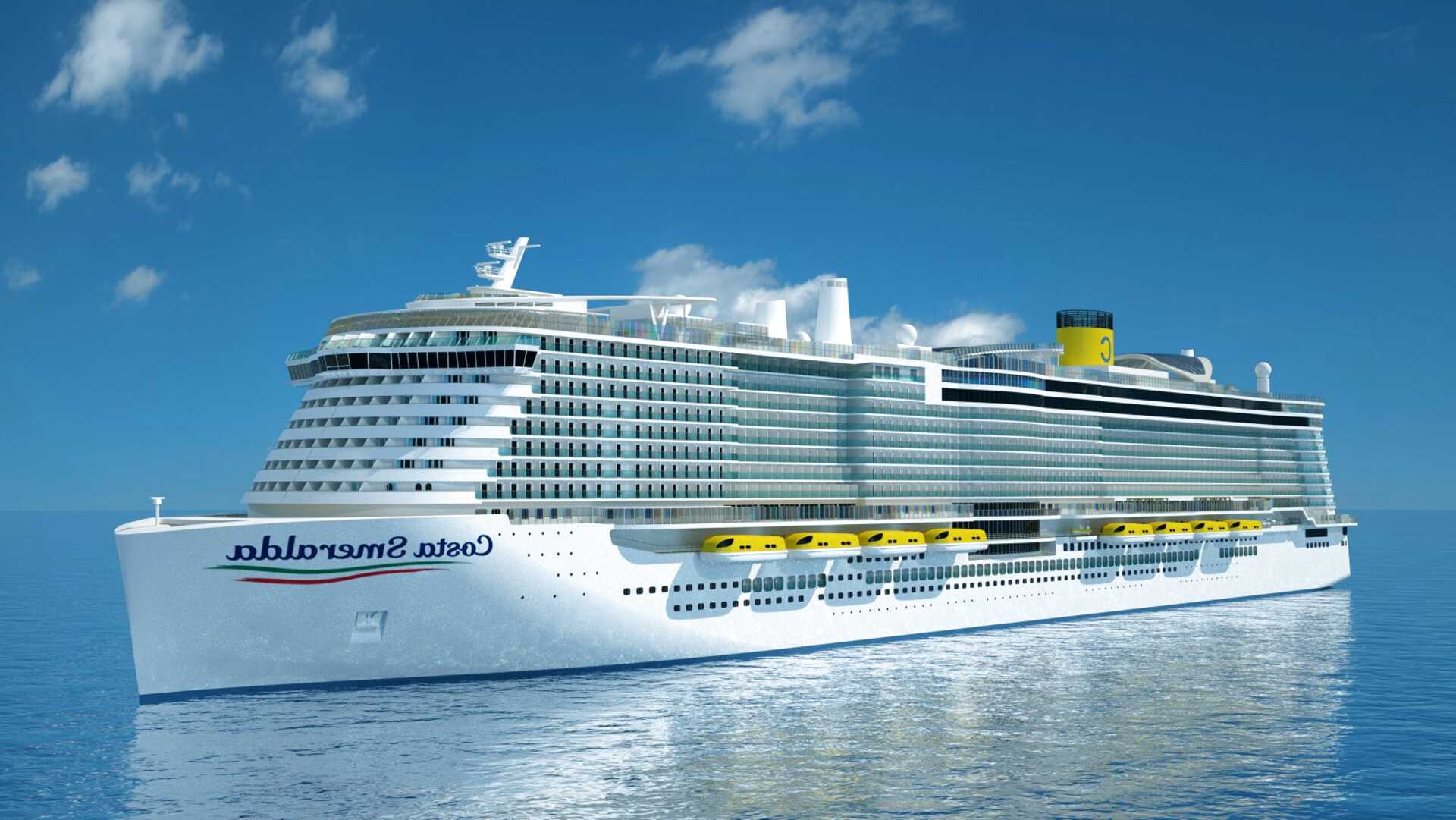
The cruise ship operators empty their oldest reserves into the engines to make way for new fuel. Then, a team of bunkering professionals don safety gear and carefully sail a barge to the cruise to fill its tanks. Many cruise lines are designing some of their new ships to run on LNG as it’s a clean-burning fuel that is better for the environment. The newer class vessels are more commonly coming out as LNG, including MSC’s new World-class, Carnival’s Excel-class, and Royal Caribbean’s Icon of the Seas.
So, as soon as the vessel route is established, the bunker estimates start. "We built a machine to allow all of these different experiments that normally you would need to be on a cruise ship to run," said Matt Tabor. She has worked in the cruise industry since 2015 and has taken over 30 cruises.
Generally speaking, the faster a cruise ship goes, the more fuel it burns. For this reason, cruise lines aim to travel at a leisurely pace from port to port, giving their guests a chance to absorb the scenery. CARB estimates fuel use to be about 80% of a cargo ship’s operating cost, for example.
However, the crew works behind the scenes to keep the ship fueled and powered while passengers enjoy life onboard and all of its perks. In this article, we’ll address a few frequently asked queries regarding cruise ships’ fuel consumption. As you’ll see, there are a plethora of variables that affect fuel usage. A smaller ship will use less fuel than a large ship to travel the same distance. Both size and the average speed a cruise ship travels impact how much fuel it uses. On average, a large cruise ship can use up to 250 tons of fuel per day, which is around 80,000 gallons.
While this is happening, most coastal sailing involves eco-friendly or slow motion. The excessive burning of fuel is thus limited by a balance of speed variation. Additionally, it guarantees that the vessel complies with local emission standards. For the duration of the ship’s life, its dimensions and construction are fixed. These factors are always taken into account when calculating engine performance.
Modern cruise ships typically utilize either diesel-electric or gas turbine engines, each with its own advantages and considerations regarding fuel efficiency. A smaller ship will require less fuel to travel the same distance than a larger ship. The amount of fuel a cruise ship uses depends on its size and average speed. A large cruise ship can use up to 250 tons of fuel per day, or about 80,000 gallons, on average. According to Cruise1st.co.uk, a typical cruise ship can burn between 140 and 150 tons of fuel per day, using between 30 and 50 gallons of fuel for every mile traveled.
These engines require a substantial amount of fuel to operate efficiently. As a result, larger ships have larger engines and, consequently, higher gas consumption. Cruise ship travel has long been a popular choice for vacationers seeking relaxation and adventure on the high seas. These floating hotels offer a wide range of amenities and activities to keep passengers entertained throughout their journey. However, one often overlooked aspect of cruise ship operations is their fuel consumption.


No comments:
Post a Comment